The Science and Beauty of Fall Colours
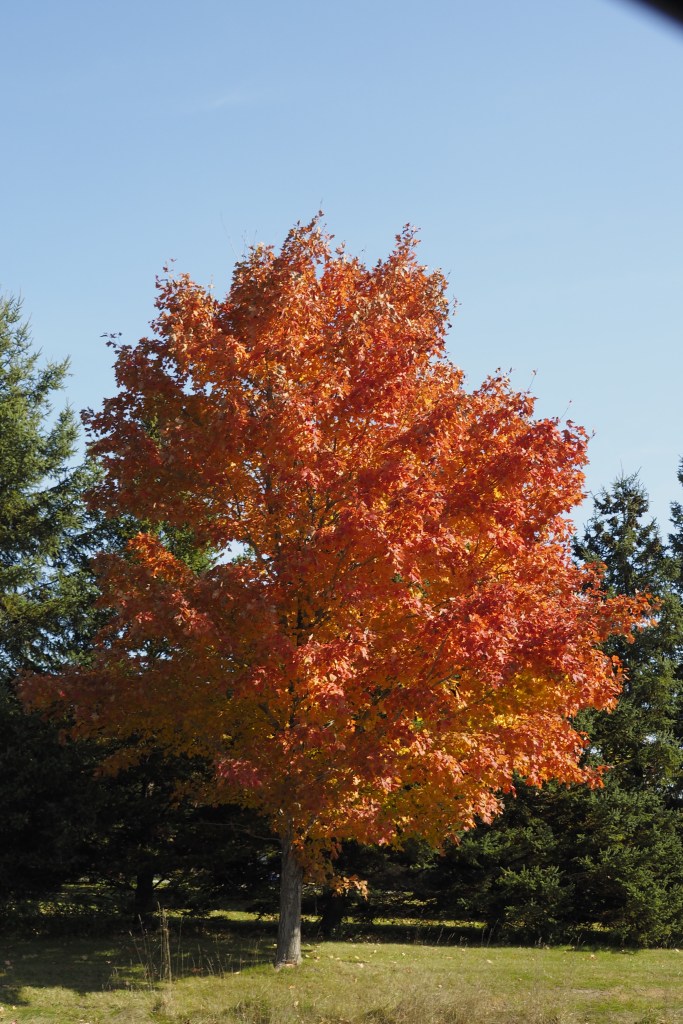
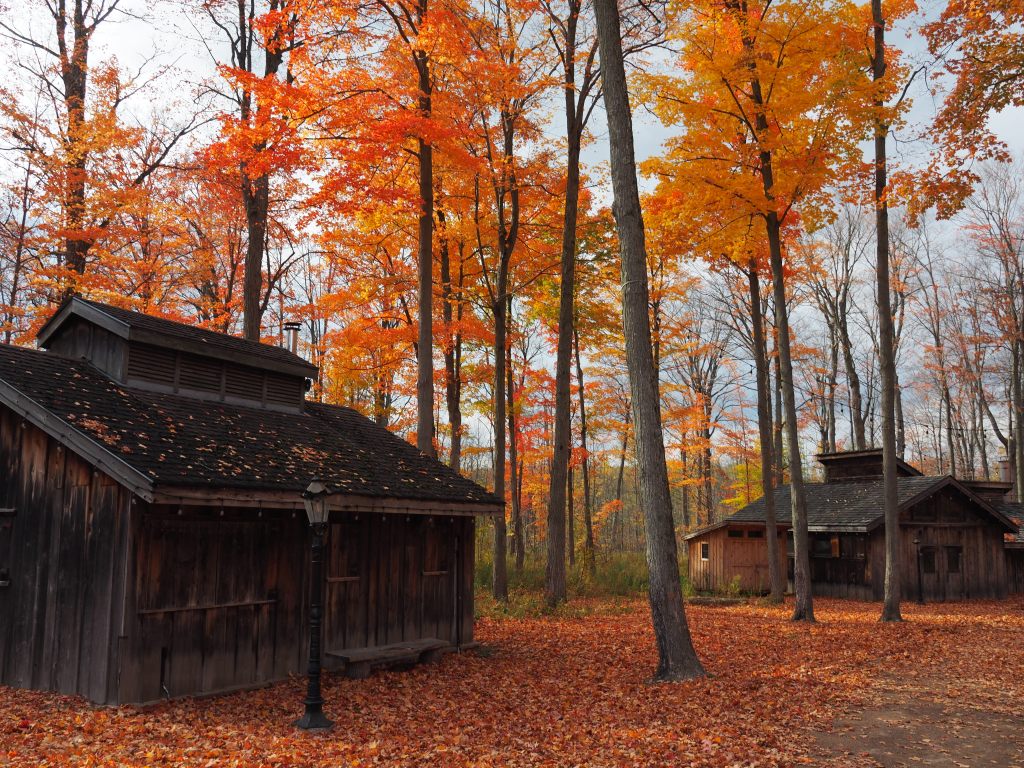
What’s with our autumn trees? Before they drop their leaves to prepare for colder days ahead, it seems that green is no longer in vogue (except for the stalwart evergreens, of course). But those deciduous trees! Yellow, bronze, brown, orange, red – their leaves exit in a blaze of glory before the deep freeze of winter.
What causes this colour extravaganza that seems designed to thrill us?
Let’s start with why leaves are green. The green is from chlorophyll, a chemical that uses the sun’s energy to turn water and carbon dioxide into starches and sugars, just what plants need to survive and grow. Oh, and oxygen is a byproduct – breathe deeply, and it’s easy to appreciate trees. This is the seemingly miraculous process of photosynthesis. Without it, we wouldn’t be here.
Broad, thin leaves are great in warm months, but a liability in winter. Snow-load on them breaks branches, and freezing temperatures and less energy from the sun puts a chill in photosynthesis pursuits. As a result, most of our trees are deciduous, opting to jettison their leaves as a survival strategy. (Evergreens are better designed for snow-load, and have much tougher leaves, or needles, that actually contain a protein that works as an antifreeze.)
So, as the weather cools and light diminishes (sigh), sap flow to leaves slows, then stops. Leaves stop producing chlorophyll, whose green colour gradually fades away.
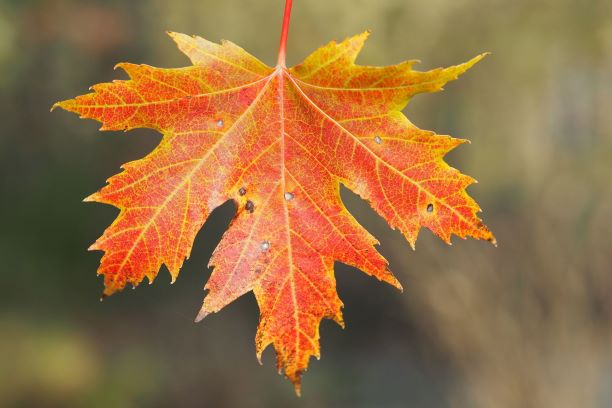
In a leaf’s team of pigments, green chlorophyll is boss, masking all other colours. When it fades, yellow and orange colours from other pigments that aid in photosynthesis are revealed. These are carotenoids, which also colour foods like carrots, corn, egg yolks and sweet potatoes.
Brown comes from another pigment, called tannin. When all other pigments fade, the leaves we kick through, or rake up, are coloured brown by tannin. You’ve tasted its bitterness in tea, coffee, wine and chocolate; it’s thought that tannins help protect trees and other plants by making them distasteful.
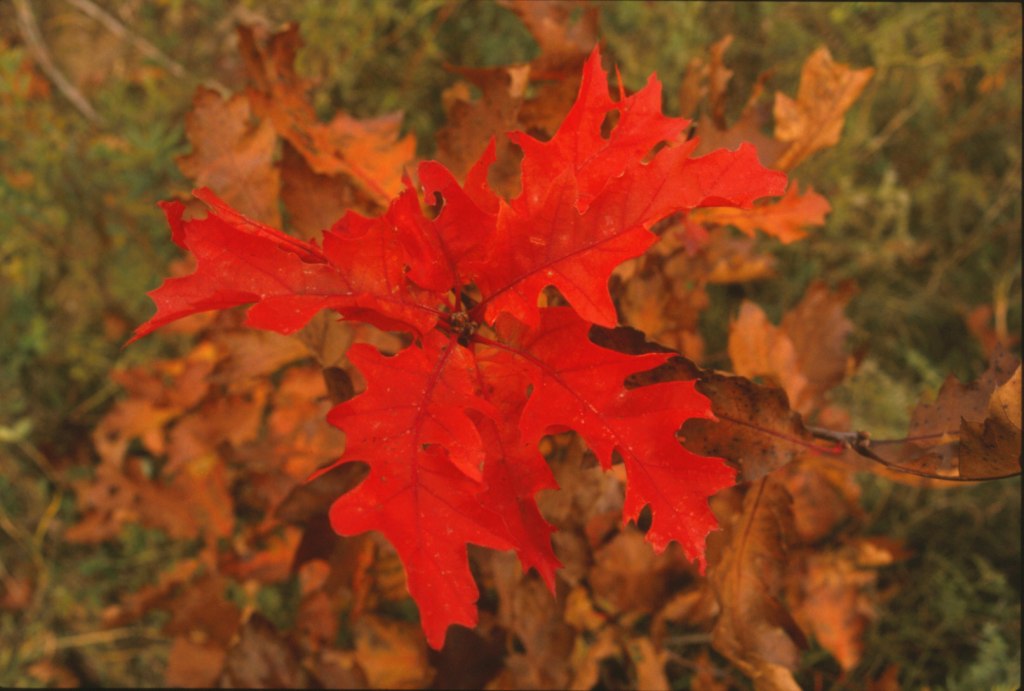
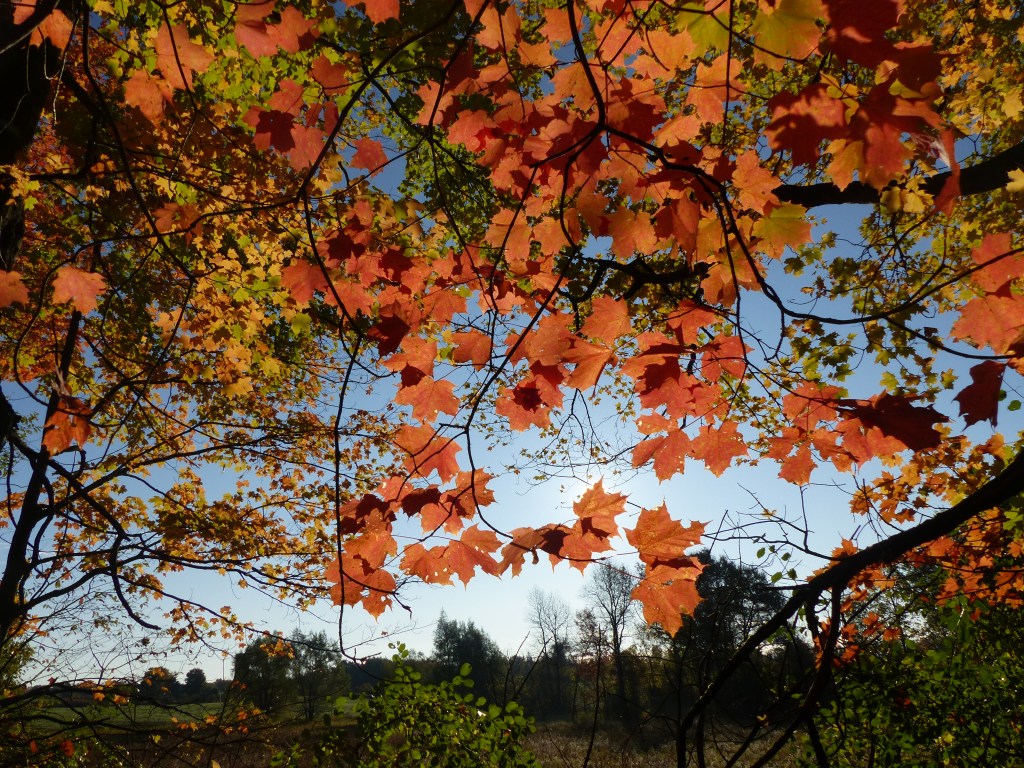
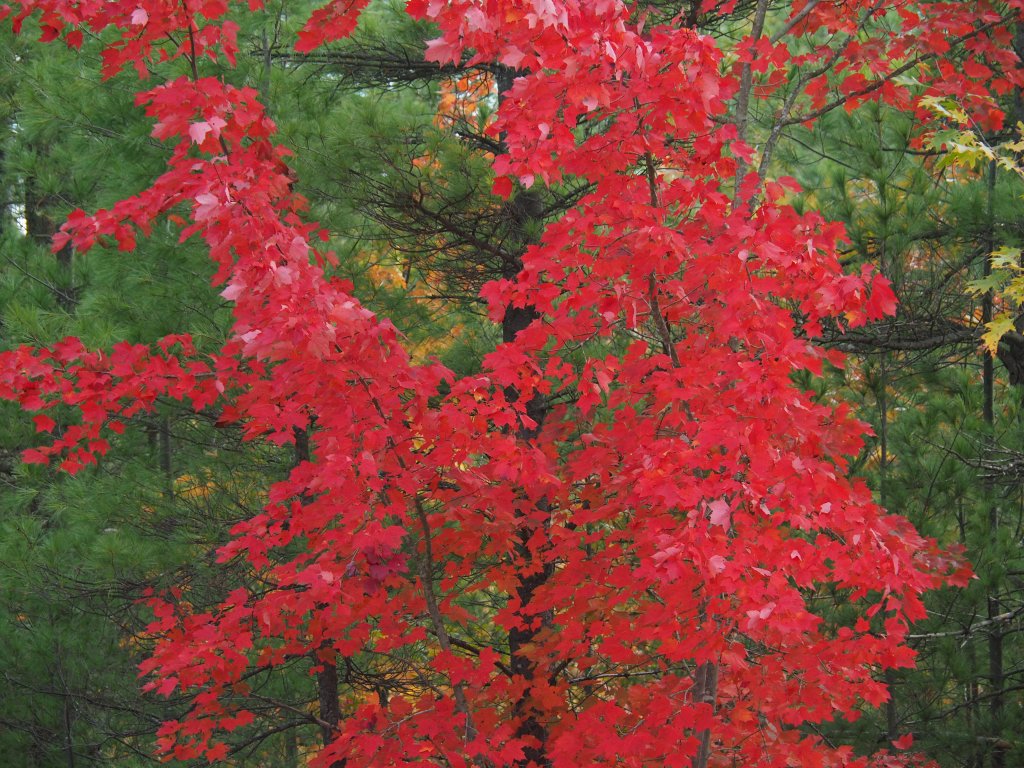
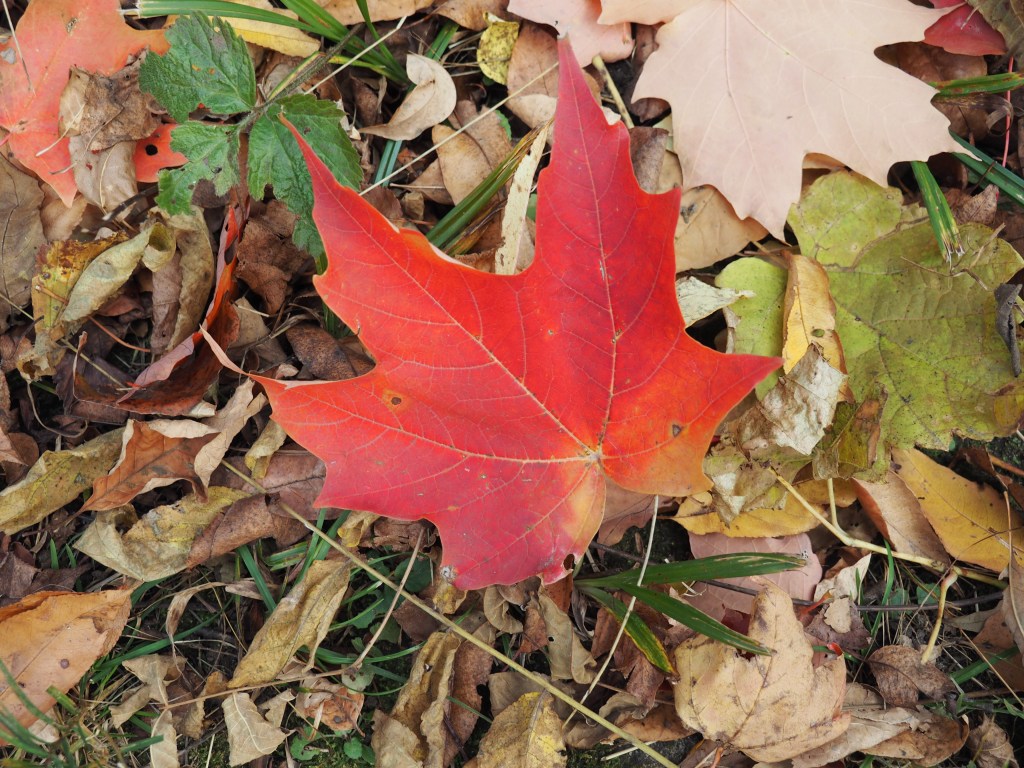
But something else happens that makes our autumn show even more spectacular. In some trees, the recipe of sunny days and cool nights transforms glucose, trapped in leaves, into the pigment anthocyanin, showing brilliant red. This pigment also colours fruits like strawberries and pomegranate. Oaks, sumac and maples are among the trees that produce this pigment, but not all trees have it. Sunnier autumns prompt more production of anthocyanin, so beautiful fall weather results in more spectacular displays. Checking the effect of sun on maples is easy, leaves exposed to sun are brighter than those in shade.
As green chlorophyll fades, other pigments in the colour palette are revealed. Among the spectacular leafy tapestry of colour, it’s fun to pick out different tree species. Sumacs turn brilliant red; aspen and birch yellow; oaks brownish-red; maples red, yellow and orange; beech a beautiful bronze. Collected, pressed between the pages of a large book, then laminated, you (and kids) can make a beautiful and educational placemat.
Just when we think the show is over, in November another tree becomes resplendent. Species of larch, which include our native tamarack, shed their needles (yep – needles) in November, but not before they turn a brilliant gold. They are rebels, deciduous coniferous trees, most of whose relatives (pine, spruce, etc.) are evergreen. Find a golden stand of trees in November, and you’ve found tamarack or European Larch.
Partly due to the brilliance of maples, our area of North America is famous for its colour show. People come from around the world to view it. We are lucky to be able to drive our country roads, or better still, hike our great trails, to enjoy one of nature’s grand spectacles.
 Dan the Nature Man